


Best Long-Stay Travel Destinations for Remote Work and Living
The modern workforce is very different from what it was 15 years ago.
Remote work has changed more than our schedules. It has changed how we think about where we live. Instead of saving travel for two weeks a year, more professionals are choosing to spend entire seasons in new cities. Three months by the sea. A winter in the Middle East. A slower stretch of life in Southeast Asia.
But living somewhere for months is very different from visiting.
When you stay longer, the questions become practical. Can you build a routine here? Will your workday feel smooth? Does the city support your pace, not just your curiosity?
Long-stay travel works best when it feels sustainable, not exciting for a week and exhausting by week six.
What Makes a Destination Work for Long Stays?
A city can be beautiful and still not work for everyday life.
Long stays require stability.
Legal Clarity
The first consideration is simple but critical. Can you legally stay long enough without stress?
Visa rules vary widely. Some countries allow three months easily. Others offer digital nomad visas for a year or more. Renewal processes, documentation requirements, and income thresholds all matter.
Before committing to housing, understand:
Length of stay permitted
Renewal requirements
Financial eligibility criteria
Exit and re-entry rules
Administrative uncertainty can quietly drain energy. Long stays feel lighter when paperwork feels manageable.
Work Reliability
A stunning view does not compensate for unstable internet.
If you are working remotely, your environment must support productivity. Connectivity, utilities, and housing standards matter more than most people expect.
Ask yourself:
Is broadband stable and widely available?
Are coworking spaces accessible if needed?
Are neighborhoods quiet enough for focused work?
Do time zones align with your team or clients?
Long-stay travel is about creating a temporary home. That requires dependable systems.
Lifestyle That Lasts
When you live somewhere for several months, you stop thinking like a tourist.
You start thinking about groceries, healthcare, transport, and community.
Are neighborhoods walkable?
Is healthcare reliable and accessible?
Can you imagine your weekly routine here?
Long stays are about repeatable weeks. The novelty fades. What remains is rhythm.
With those fundamentals in mind, certain destinations consistently stand out.
Destinations That Balance Work and Living Well
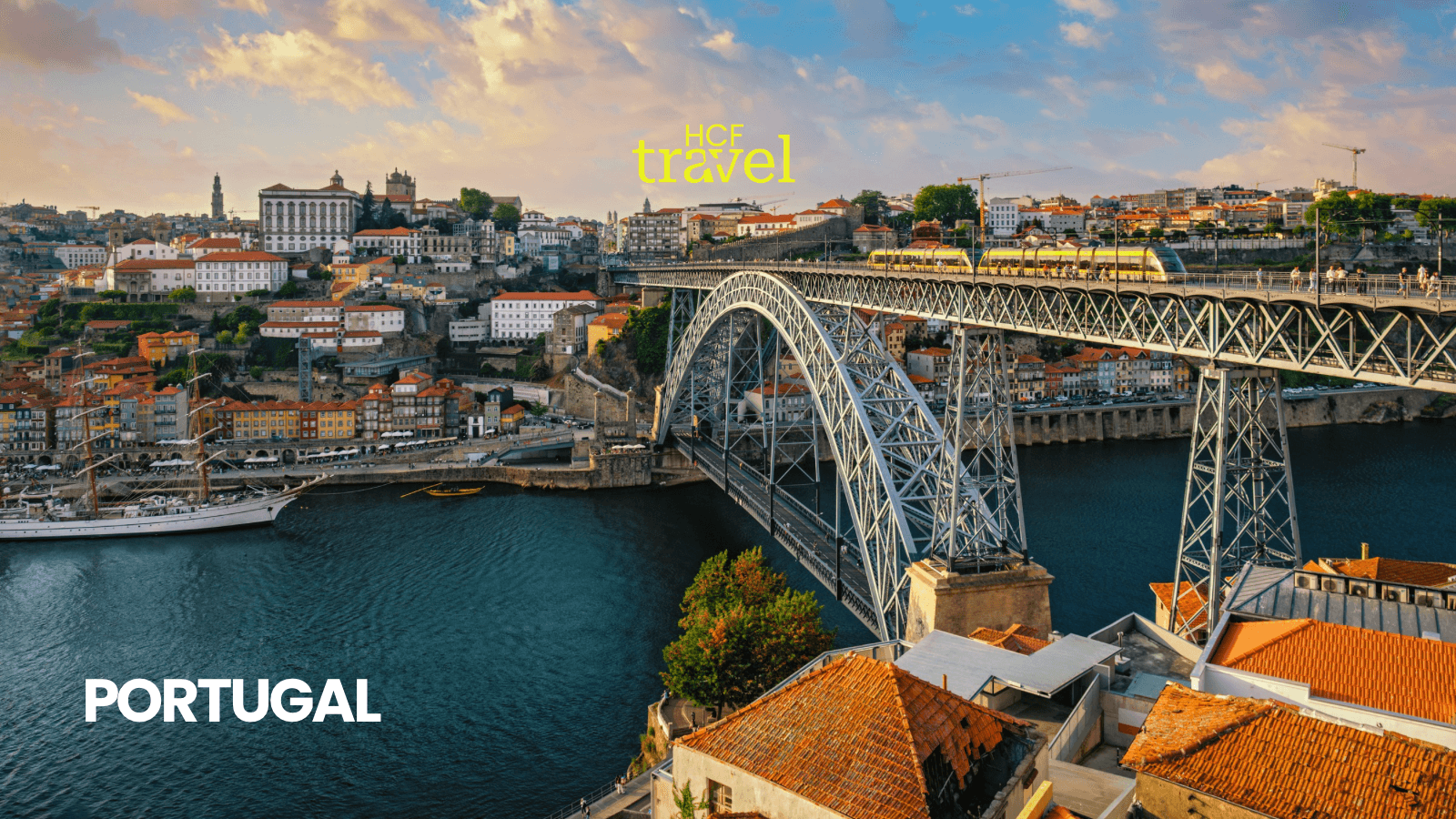
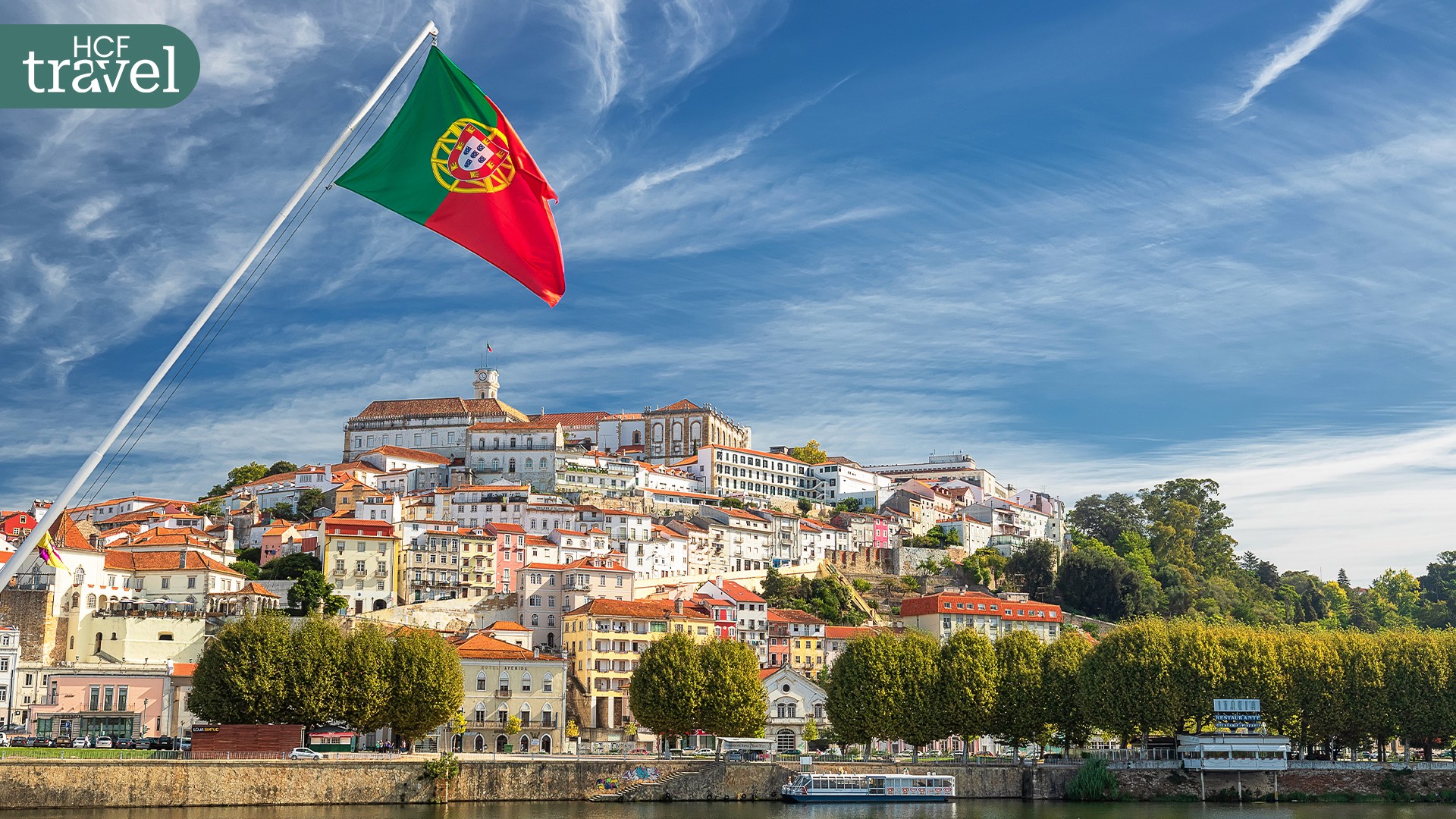
Portugal: Lisbon or Porto
Portugal has become one of Europe’s most established bases for remote professionals.
The Digital Nomad Visa introduced in 2022 allows eligible remote workers to stay for up to one year, creating greater stability than relying on short-term tourist permissions.
Lisbon offers coastal energy, a growing tech ecosystem, and strong international connectivity. Porto feels more compact and slower, with lower living costs and historic charm.
Portugal consistently ranks high for safety and quality of life. The climate is mild, healthcare is accessible, and daily life feels manageable. For many, it strikes a balance between structure and ease.
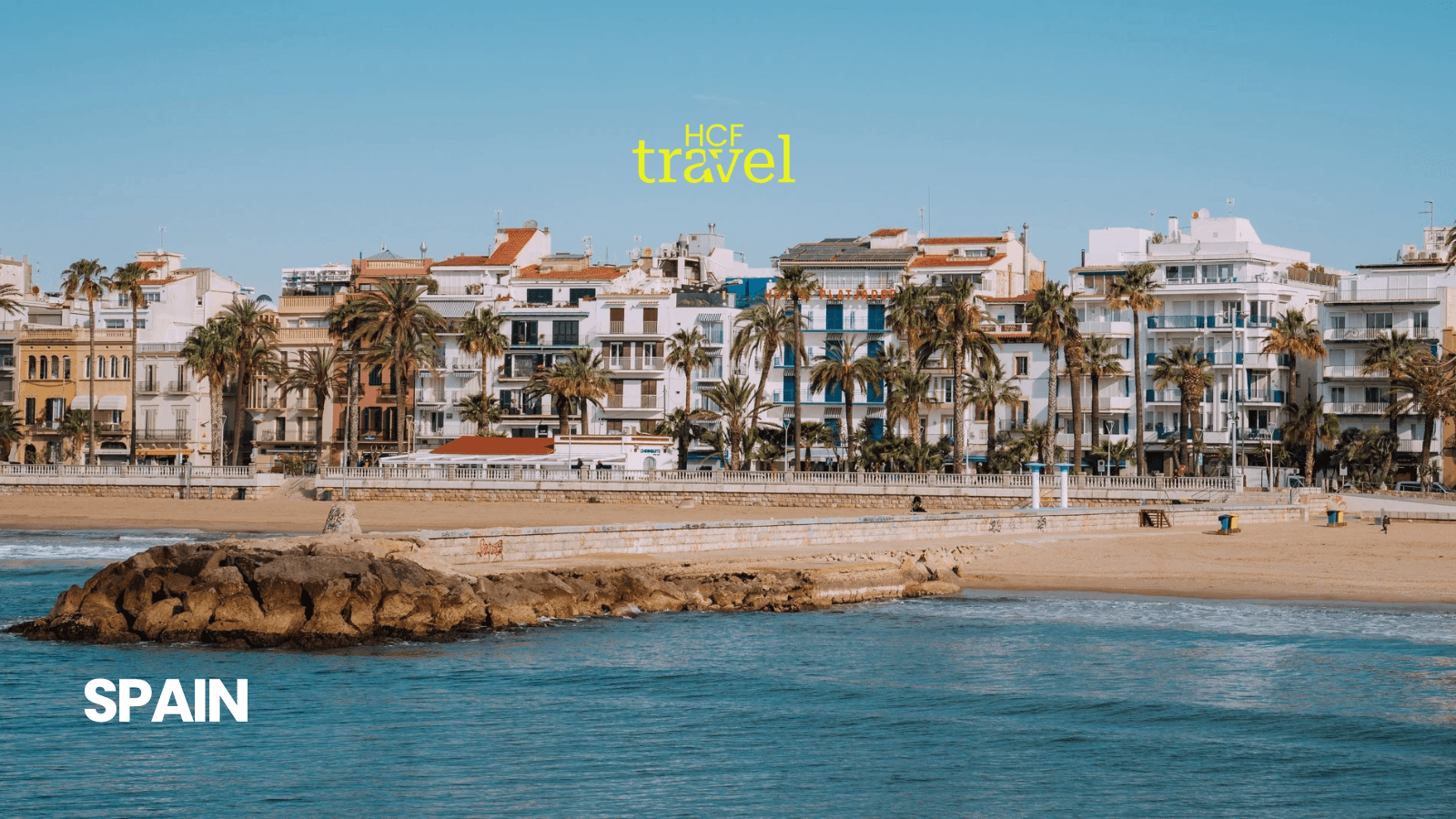
Spain: Valencia or Málaga
Spain also offers a Digital Nomad Visa with renewable long-term options.
Valencia combines beaches, green space, and a bike-friendly layout that makes daily life feel simple. Málaga provides Mediterranean warmth, a strong expat community, and a slightly calmer pace than larger Spanish cities.
Spain works well for those who want European infrastructure with more sunlight and cultural depth.
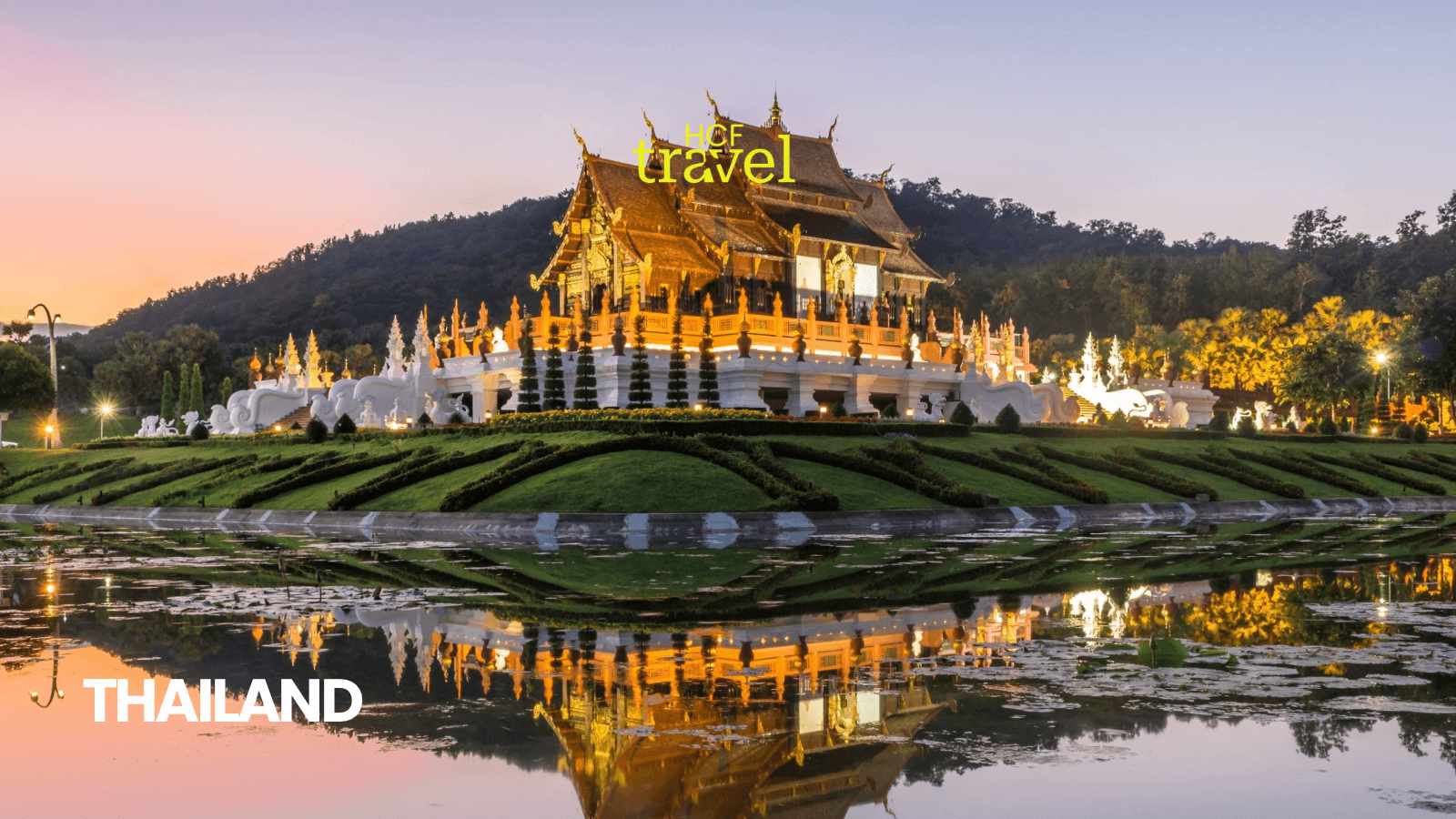
Thailand: Bangkok or Chiang Mai
Thailand remains a long-standing favorite for remote professionals.
Bangkok offers scale and connectivity. Fast fiber internet, modern apartments, excellent healthcare, and global flight routes make it a practical base. The expat and entrepreneurial communities are active and visible.
Chiang Mai provides contrast. It is quieter, more affordable, and surrounded by nature. Coworking spaces are abundant, and the cost of living is lower.
Bangkok suits those who thrive on movement.
Chiang Mai suits those who value focus and balance.
Both provide strong infrastructure at a competitive cost.
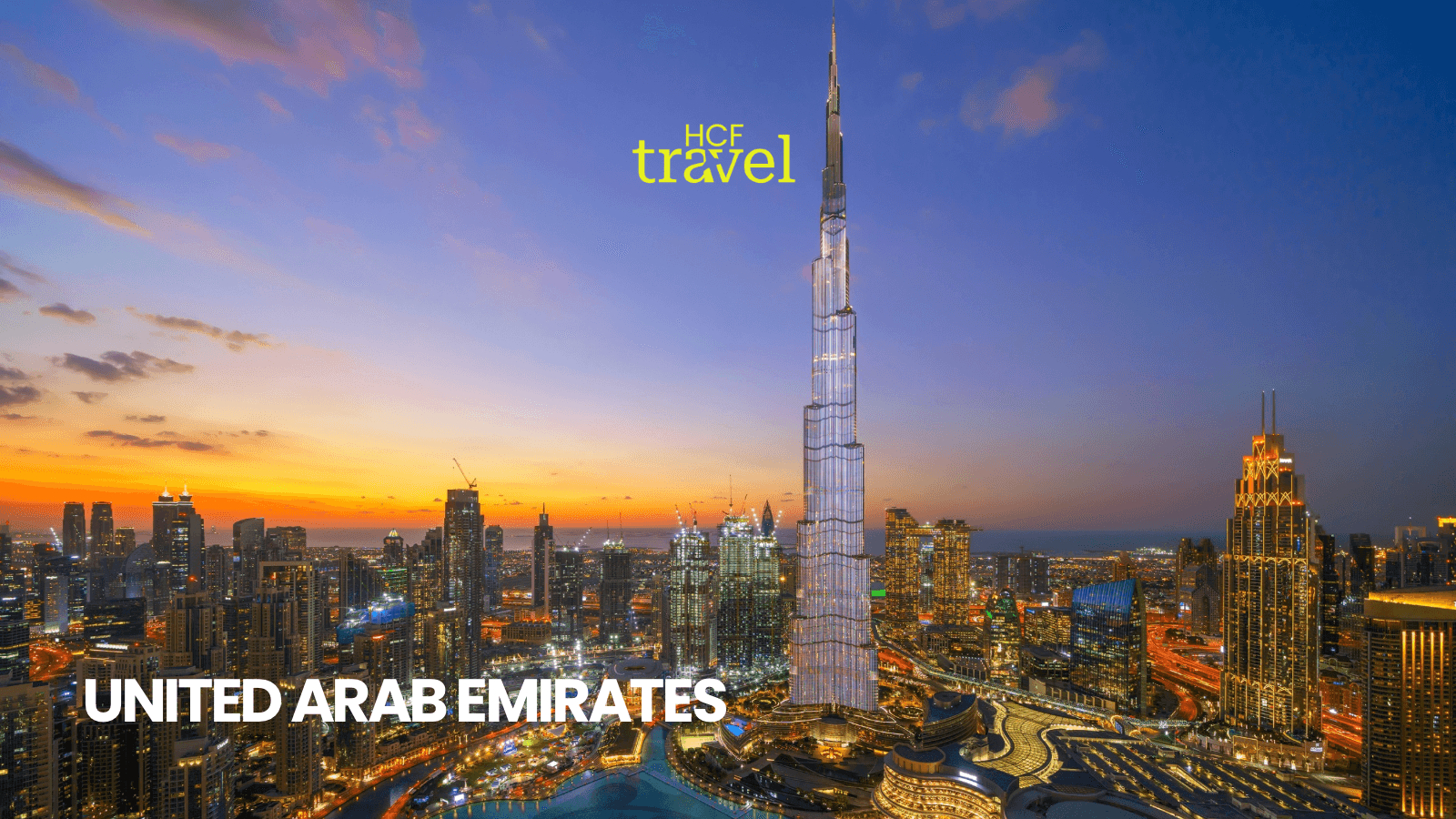
United Arab Emirates: Dubai or Abu Dhabi
The UAE has positioned itself as a structured and reliable base for global professionals.
With Remote Work Visa options, freelance permits, efficient public services, and no personal income tax, the administrative side is straightforward.
Dubai is ambitious and fast-moving. It attracts founders, consultants, and professionals who want energy, networking access, and global connectivity.
Abu Dhabi offers a calmer atmosphere. It feels more residential and spacious while maintaining the same safety and infrastructure standards.
The UAE works particularly well for professionals who value order, safety, and predictability.
How HCF Travel Can Help You
Planning a long stay involves more than choosing a city on a map.
It requires understanding visa pathways, housing options, neighborhood differences, infrastructure realities, and lifestyle compatibility.
HCF Travel works closely with individuals and professionals who want clarity before committing. Instead of offering generic recommendations, the focus is on alignment. Your work schedule, your pace, your priorities.
Whether you are considering Europe for a summer, Southeast Asia for a quarter, or the Middle East for a structured base, the goal is simple. Help you choose a destination that feels sustainable from the beginning.
Long-stay travel should feel intentional. With the right planning, it can feel natural.
Key Takeaways
If you are considering a longer move, remember this:
Long stays are about sustainability, not spectacle.
Before deciding, ask yourself:
Can I legally stay without constant renewal stress?
Is the infrastructure reliable enough for my work?
Does the lifestyle support my weekly rhythm?
Can I see myself living here, not just visiting?
Does the environment match how I want my days to feel?
The right destination is less about popularity and more about fit.
When the structure supports your work and the environment supports your life, long-stay travel becomes energizing instead of disruptive.