

Equity Shares and the Future of Destination Ownership
Ownership is changing.
For decades, real estate followed a familiar structure: one buyer, one property, one location. It was clear, tangible, and straightforward, but also limiting. As lifestyles become more global and investment thinking becomes more sophisticated, that traditional model is being reexamined.
Today, a new question is emerging:
What if ownership could be more flexible, more accessible, and more aligned with how people actually live, travel, and invest?
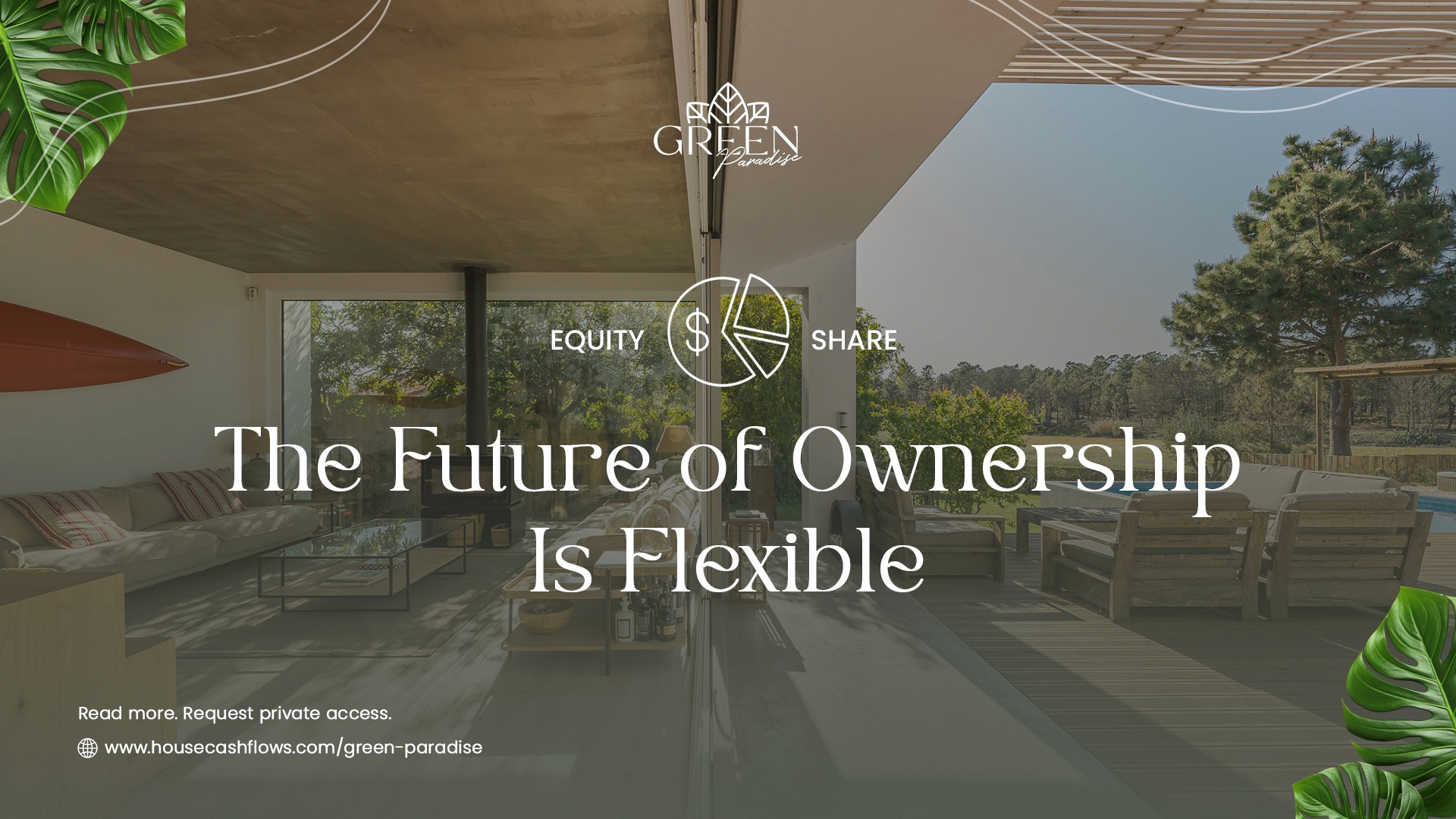
This is where equity shares come into focus—and why they are becoming an increasingly relevant pathway into destination-led real estate, including developments like Green Paradise.
Understanding equity shares in real estate
At its core, equity shares represent a form of fractional ownership.
Instead of purchasing an entire property outright, individuals acquire a proportional stake in an asset or a portfolio of assets. This stake provides exposure to the value, performance, and potential income of the underlying real estate.
In simple terms:
you do not need to own 100% of a property to participate in its value.
This model has existed for years in institutional investing, through real estate funds, REITs, and syndications, but is now becoming more accessible to a wider audience through structured platforms and private investment ecosystems.
Equity shares allow participants to:
– Enter real estate with a lower capital threshold
– Diversify across locations or assets
– Participate in professionally managed developments
– Align ownership with lifestyle and travel patterns
For many, this represents a more adaptable form of ownership—one that reflects the realities of modern mobility and global access.
Why equity shares matter now
The growing relevance of equity shares is not accidental. It is driven by broader shifts in both behavior and markets.
First, global mobility has changed how people relate to property. Many individuals now live, work, and travel across multiple regions, making single-location ownership less aligned with their lifestyle.
Second, rising property values in key markets have created higher barriers to entry. Fractional models lower this threshold while still allowing participation in premium assets.
Third, there is an increasing desire for diversification. Rather than concentrating capital in one asset, investors are looking for ways to spread exposure across multiple markets or asset types.
Finally, the rise of experience-driven travel has elevated the value of destination-based real estate. Properties are no longer evaluated solely as static assets, they are seen as part of a broader lifestyle and hospitality ecosystem.
Equity shares sit at the intersection of these trends.
How equity shares connect to Green Paradise
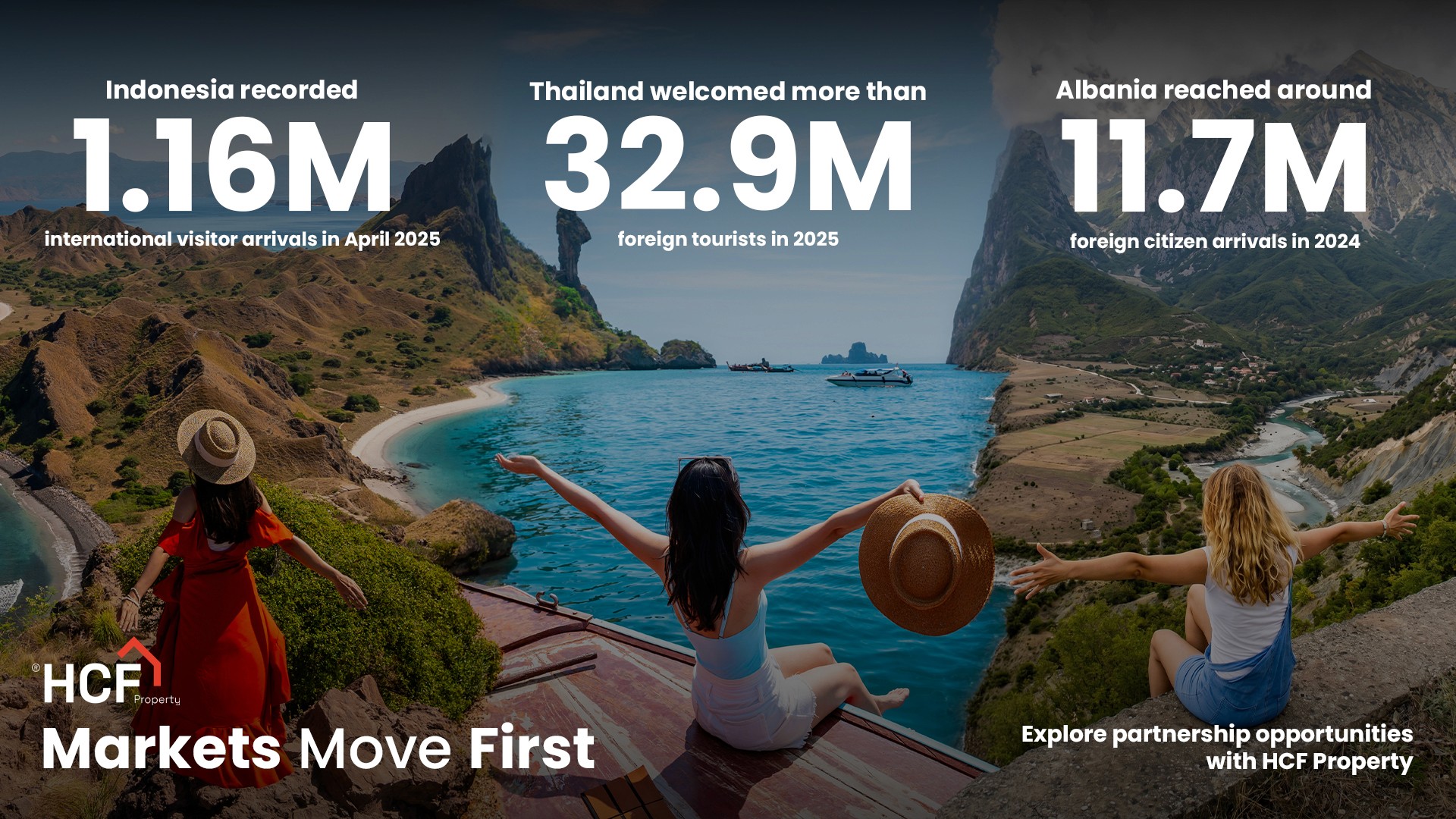
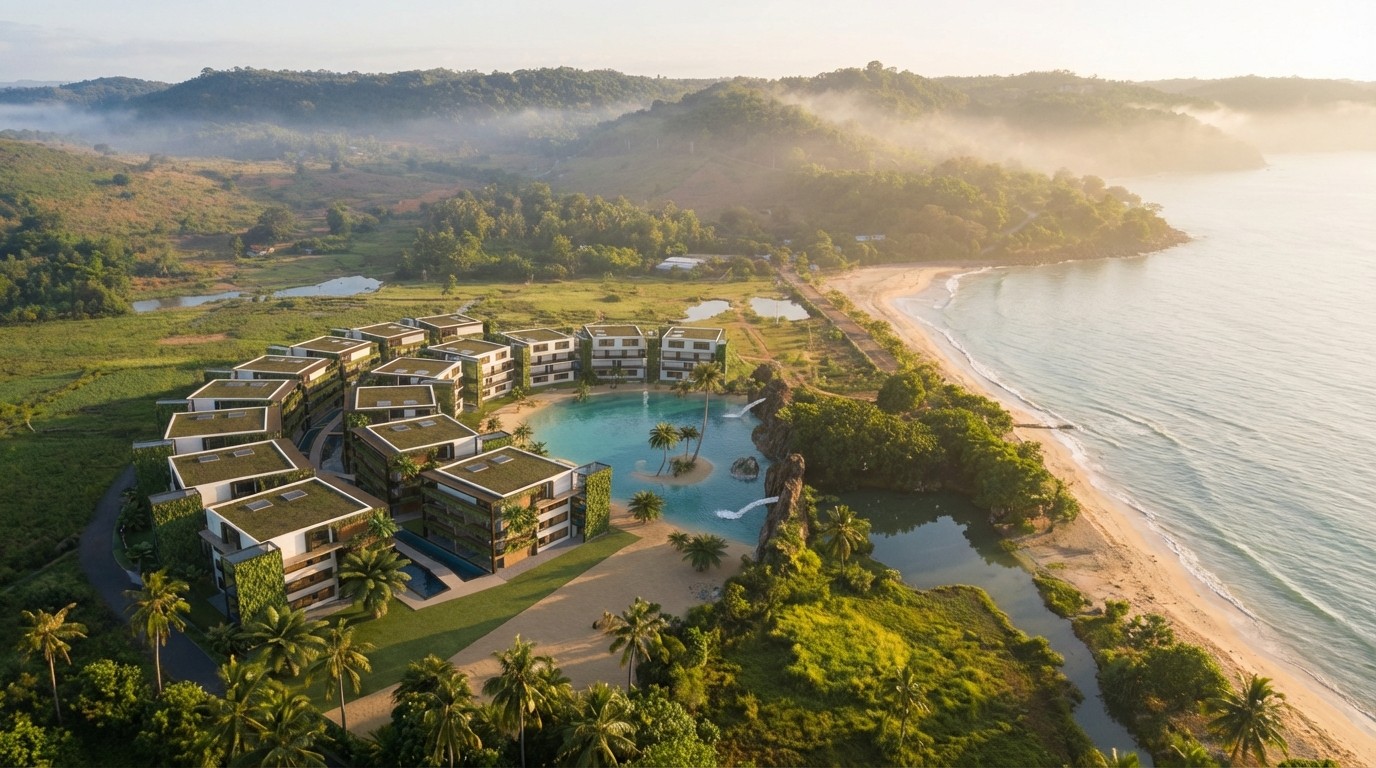
Green Paradise is designed as a destination-led villa portfolio, developed by HCF Property across carefully selected locations such as Lombok, Albania, and Thailand.
Each destination is chosen based on a combination of:
– Natural appeal and lifestyle quality
– Tourism demand and hospitality potential
– Accessibility and infrastructure development
– Long-term place value
Within this framework, equity shares provide a way to access the Green Paradise ecosystem without requiring full ownership of a single villa.
This approach reframes ownership from being asset-specific to being portfolio-oriented.
Rather than asking, “Which single property should I buy?”
the question becomes, “Which destinations and experiences do I want to be part of?”
Through equity shares, participants can align themselves with the broader vision of Green Paradise, one that spans multiple locations, each with its own identity and growth trajectory.
A more flexible approach to participation
One of the most significant advantages of equity shares is flexibility.
Traditional property ownership often comes with fixed commitments: maintenance, management, and limited liquidity. While these can be manageable, they may not suit everyone, particularly those who are globally mobile or who prefer a more passive role.
Equity shares introduce a different structure.
Participation is typically supported by professional management, meaning the development, operations, and maintenance of the asset are handled within a structured framework. This allows individuals to engage with real estate without being directly involved in day-to-day oversight.
Additionally, equity-based participation can be designed to align with hospitality models, where properties generate value through rental activity, guest experiences, and destination demand.
This is particularly relevant for Green Paradise, where villas are not only residential spaces but also part of a broader lifestyle and hospitality offering.
Destination ownership, not just property ownership
Equity shares also shift the focus from property to destination.
In traditional ownership, value is often tied to a specific unit, its location, size, and immediate surroundings. In a destination-led model, value is influenced by a wider set of factors: tourism growth, infrastructure, brand positioning, and the overall experience the location provides.
For Green Paradise, this is central.
Lombok offers ocean lifestyle and emerging global attention.
Albania provides European nature and a quieter, less saturated environment.
Thailand brings established tourism strength and coastal wellness appeal.
Each destination contributes differently to the overall portfolio.
Equity shares allow participants to engage with this diversity, rather than being limited to a single market.
Governance, transparency, and structure
As with any investment model, the effectiveness of equity shares depends on how they are structured.
Clarity around ownership rights, governance, risk management, and operational processes is essential. Without these, fractional ownership can become difficult to navigate.
This is where developer discipline becomes critical.
Green Paradise, developed by HCF Property, emphasizes transparency and structured development processes, from site selection to construction and long-term management.
The goal is to ensure that participants are not only accessing an opportunity, but doing so within a framework that prioritizes accountability and long-term value.
Sustainability and long-term relevance
Another important dimension of modern real estate is sustainability.
The built environment is responsible for a significant portion of global energy consumption and emissions, making responsible development practices increasingly important. For destination-based projects, this is even more critical, as the natural environment is directly tied to the appeal and longevity of the location.
Green Paradise integrates sustainability at the level of design, planning, and destination selection.
This includes:
– Working with natural landscapes rather than overdeveloping them
– Designing for airflow, light, and energy efficiency
– Preserving the character of each location
– Supporting long-term livability and tourism appeal
For equity share participants, this matters because sustainability is not only an ethical consideration, it is also a factor in long-term asset resilience.
A forward-looking model of ownership
Equity shares are not a replacement for traditional ownership.
They are an evolution of it.
They reflect a broader movement toward access over exclusivity, flexibility over rigidity, and portfolio thinking over single-asset focus.
For developments like Green Paradise, this model aligns naturally with the concept of destination-led real estate.
It allows more people to participate.
It creates a more adaptable ownership structure.
And it connects individuals to a portfolio of places rather than a single fixed location.
As real estate continues to evolve, the definition of ownership will likely continue to expand.
What remains constant is the importance of choosing the right framework, one that balances access, structure, transparency, and long-term perspective.
Green Paradise, through equity shares, offers one interpretation of what that future can look like.
Ask about owning a piece of Green Paradise through Equity Shares at legal@housecashflows.com
Sources
Investopedia – Fractional Ownership in Real Estatehttps://www.investopedia.com/terms/f/fractional-ownership.asp
Deloitte – Real Estate Outlook: Global Trendshttps://www2.deloitte.com
McKinsey & Company – Global Consumer and Wellness Trendshttps://www.mckinsey.com
World Travel & Tourism Council (WTTC) – Economic Impact Reportshttps://wttc.org/research/economic-impact
United Nations Environment Programme (UNEP) – Global Status Report for Buildings and Constructionhttps://www.unep.org/resources/report/global-status-report-buildings-and-construction
Author
Romer Tasedo
Brand Lead Manager, HCF PROPERTY