

The Psychology of Returning: Why Familiar Places Hold More Value Over Time
Introduction
We live in a world that constantly pushes us toward new new destinations, new experiences, new places to explore. Travel, especially, is often framed as a pursuit of discovery. But when you look at actual human behavior, a different pattern emerges.
People return.
They return to the same coastlines, the same cities, the same environments that once felt unfamiliar but now feel instinctively right. This tendency is not accidental. It is rooted in psychology.
Over time, familiarity does something powerful, it increases perceived value. What begins as a one-time experience gradually evolves into emotional attachment, behavioral preference, and, in many cases, long-term association. And when that happens, the way we look at those places begins to shift.
The First Experience: Exploration vs Engagement
The first time you visit a place, your experience is driven by novelty. Everything is new, which makes it exciting but also mentally demanding. You are constantly making decisions, where to go, what to trust, how to navigate.
This creates stimulation, but it also limits depth.
A large part of your attention is spent understanding the environment rather than fully experiencing it. You observe more than you connect. The place leaves an impression, but it has not yet become meaningful.
Emotional Value Compounds Over Time
With each return, the relationship deepens.
The place is no longer just a physical location. It becomes associated with specific moments, people, and personal experiences. Over time, these associations build layers of meaning.
This is where emotional value begins to compound.
Each visit reinforces the last, creating a sense of continuity. The place starts to carry memory, not just experience. In behavioral terms, this repeated positive reinforcement strengthens attachment, making the location more significant with every return.
Why People Keep Coming Back
From a behavioral perspective, humans are naturally inclined toward environments that deliver consistent positive outcomes.
Familiar places reduce perceived risk. You already know the experience will be rewarding. This certainty influences decision-making, making it more likely that you will choose the same destination again.
Over time, this pattern becomes self-reinforcing.
Positive experience leads to repetition. Repetition strengthens attachment. Attachment increases perceived value.
Where HCF Estate Changes the Equation
Traditionally, acting on that intent has been difficult.
Owning property in international locations requires significant capital, navigating foreign legal systems, and managing assets remotely. For most people, even if the desire exists, the barriers are too high.
This is where HCF Estate fundamentally changes the model.
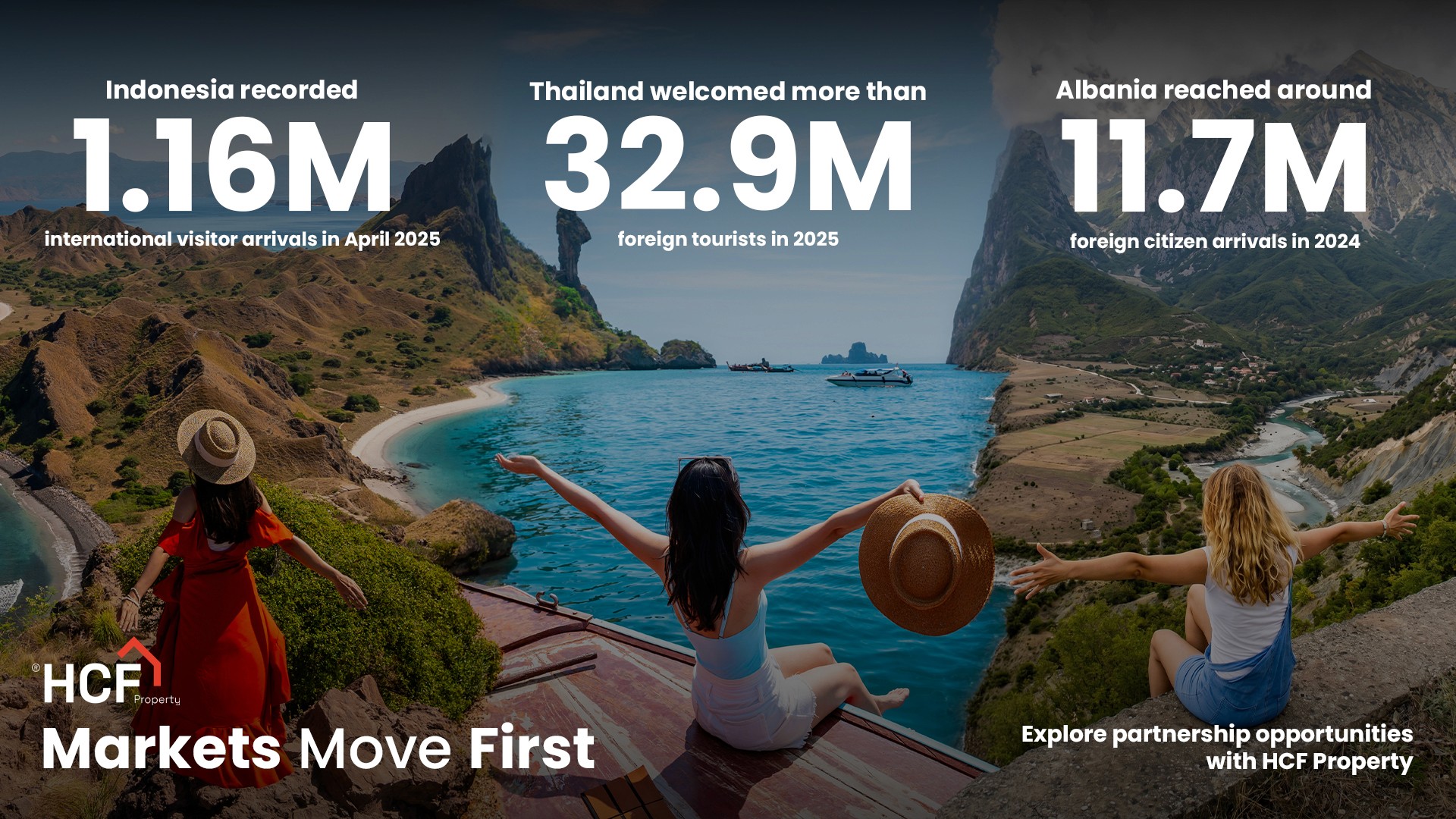
HCF Estate enables investors to own equity shares in global properties, allowing them to participate in real estate across destinations like Indonesia, Thailand, Albania, Spain, and Italy, without needing to purchase an entire property.
Instead of committing to one asset in one location, you can:
Invest at a lower entry point
Diversify across multiple countries
Earn from professionally managed properties
Hold ownership in places you already value
This aligns directly with the psychology of returning. You are no longer limited to experiencing a place repeatedly. You can now own a part of the places you consistently choose. It transforms familiarity into participation.
Conclusion
Value is often assumed to come from discovery. But in practice, it is built through repetition.
Familiar places hold more value because they offer more than experience. They offer continuity, emotional connection, and a sense of belonging. Over time, that translates into stronger personal and behavioral significance.
The next evolution of this idea is ownership.
Not necessarily owning everything but owning the right share of the right places.
Because when a place continues to give you value, returning to it is natural.
Owning a part of it is the next step.
Disclaimer
This article is intended for informational purposes only and does not constitute financial, legal, or investment advice. Investment decisions should be made based on individual financial goals and consultation with qualified professionals. Market conditions, regulations, and returns may vary. All investments carry risk, including the risk of loss of capital.
Author
Neha Langer
Brand Lead Manager, HCF Estate