

Traditionally, real estate has been one of the most trusted long-term asset classes, largely driven by the assumption that a well chosen property will naturally grow in value over time. But long term investors today are increasingly looking beyond single assets and one-off transactions. Not because property has lost its value, but because the world around real estate has changed.
The market now moves faster, the consumer behaviour shifts quicker, regulations have evolved, travel patterns have changed and global migration has increased. In this environment, a single standalone asset can still perform, but it can also become vulnerable.
That is where the idea of a real estate ecosystem becomes important.
A real estate ecosystem is not about owning more properties, it’s about owning and operating within a connected system where development, management, capital and usage are aligned. For long-term investors, this alignment is what creates resilience, stability and compounding value over time.
Why Investors Are Looking Beyond Single Assets
The strongest long-term investors are not just searching for “ good properties”, they are searching for strong systems. This shift is happening for a few reasons:
Real estate has become more operational than it used to be.
Location value is being increasingly influenced by infrastructure, community and usage.
Asset performance is no longer defined only by the build, but by what happens after the handover.
Risk is no longer just market risk, it , Operational risk , ecosystem risk, and demand cycle risk.
A standalone property can be well built, in a good location, and still underperform if the surrounding system is weak. Long-term investors are learning that the asset is only one part of the equation, the real advantage is in how the asset is developed, positioned, managed, and supported over time .
What is a Real Estate Ecosystem?
A real estate ecosystem is a connected platform of stakeholders, services, and operational layers that work together to support long-term asset value. Instead of viewing real estate, as a single product, an ecosystem treats real estate as a living system, which is comprised of:
Land and development strategy.
Construction and delivery standards.
Asset management and maintenance.
Hospitality, travel, or lifestyle usage drivers.
Investor services and capital structure.
Community building and long-term demand creation.
In this ecosystem, the value does not rely only on one factor, it is built through integration. This is why the term real estate ecosystem is becoming more relevant for disciplined investors. It reflects the reality that real estate is no longer just a physical asset, it is a long-term operational model.
How Ecosystems Create Long-Term Value
A real estate ecosystem creates value differently from traditional real estate. It does not depend on hype, short-term, resale, cycles, or speculative price jumps. Instead, it focuses on alignment, stability, and sustained demand.
Here are the core ways ecosystems create long-term value.
Integrated Development
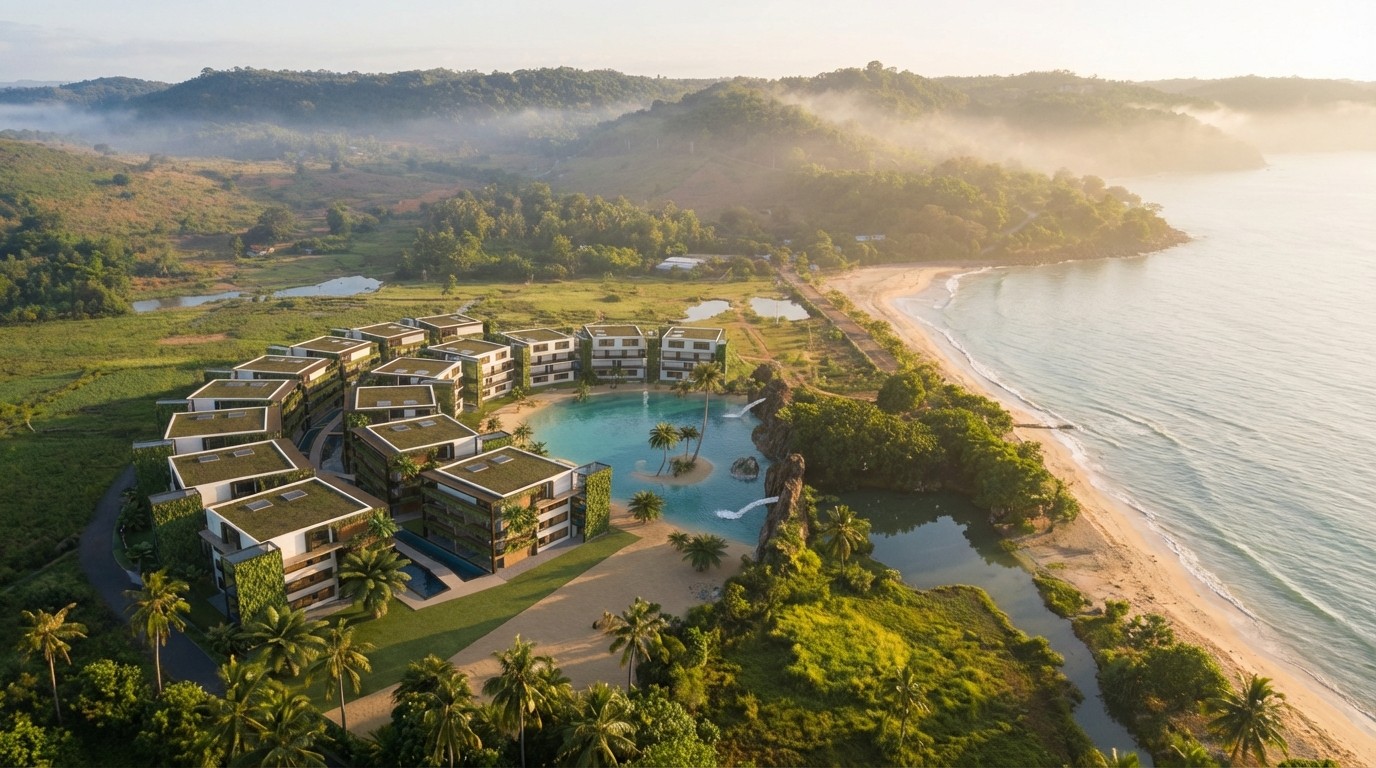
An ecosystem-lead real estate development is not done in isolation: Land selection, Master planning, Design language, Sustainability, and Future Usage are considered together. This reduces the common gap between what is built and what the market actually wants over time.
A strong ecosystem asks:
Who will live here, long-term?
What makes the destination resilient across cycles?
How does the development fit into the lifestyle and future infrastructure of the region?
When development is integrated into a large system, the asset becomes more future-proof.
Long Term Asset Management
A major reason stand alone properties underperform is because of poor post-handover management. A real estate ecosystem includes the operational layer, not as an after thought, but as a foundation. This includes:
Maintenance standards.
Community governance.
Rental or usage systems.
Brand consistency across properties.
Experience quality for residence and guests.
Overtime, management is what protects the assets, real world condition, and condition is what protects long-term value.
Aligned Capital and Ownership Structure
Ecosystems reduce misalignment between developers, operators, and investors. In Traditional models, the developer's incentive often ends at the sale. In an ecosystem, incentives are designed to continue beyond the transaction, because the brand and platform depend on long-term performance.
This creates healthier long-term decision-making, which matters deeply for investors who care about preservation and discipline growth.
Usage and Demand Built into the System
Real estate is not valuable simply because it exists. It becomes valuable when it is used. Ecosystems build demand by connecting real estate to lifestyle, travel, community, and recurring usage patterns. This creates a more consistent base of relevant and attention around a destination, without relying on hype.
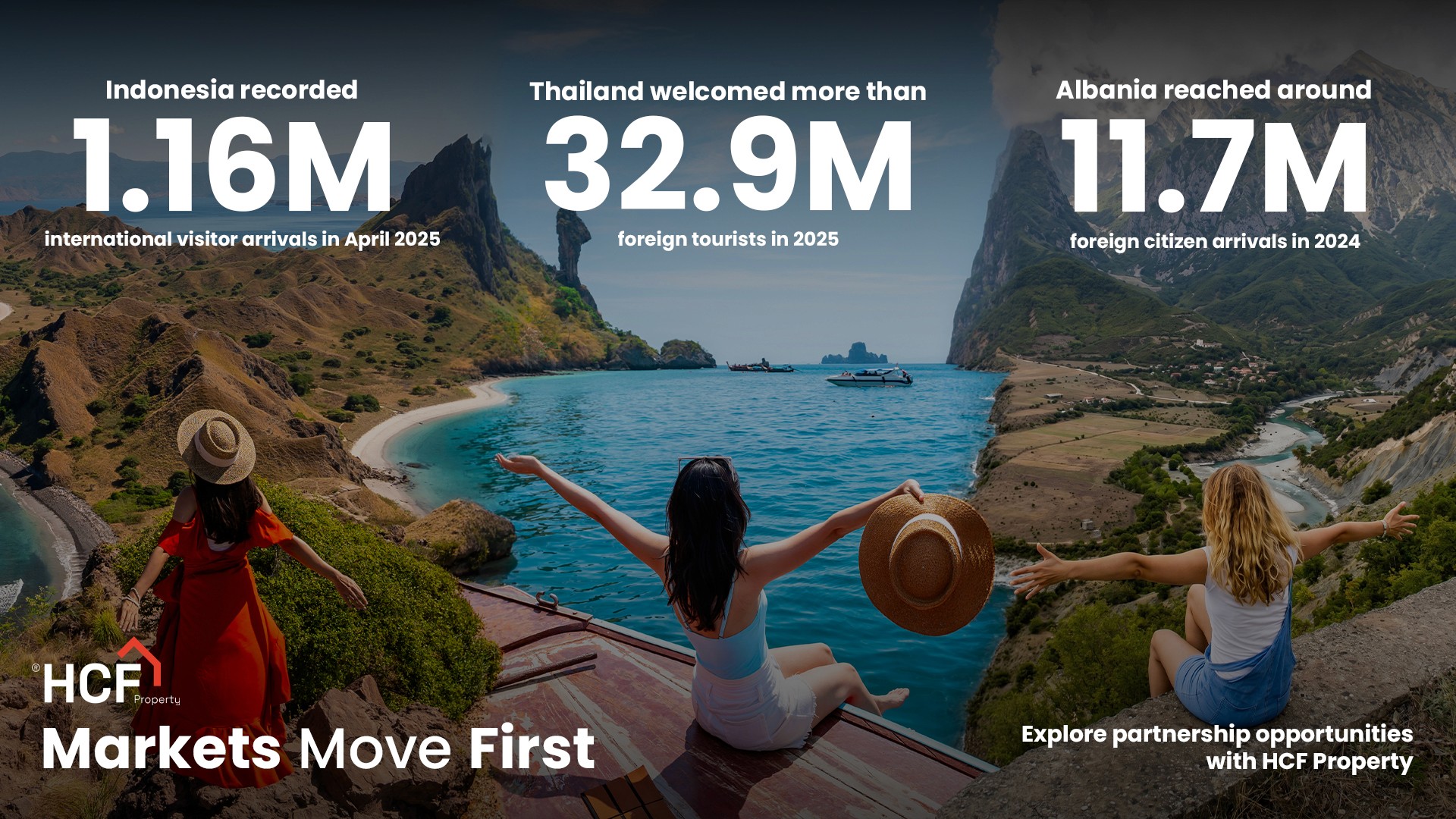
For example, a location supported by travel visibility and long-term lifestyle, positioning tends to hold stronger demand on a location promoted only through sales cycle.
Real Estate Ecosystem VS Standalone Investing
A standalone investment is a single property purchase with limited integration. On the other hand, ecosystem investment is a property asset that sits inside a connected platform. Here is what changes in practice:
Risk Reduction
Standalone properties depend heavily on external factors, such as:
Third-party property management,
Inconsistent neighbourhood development,
Unpredictable demand cycles,
Fragmented service providers.
A real estate ecosystem reduces these risks because more of the long-term variables are controlled or aligned within the same platform.
Efficiency and Consistency
Ecosystems create efficiency through standardisation and continuity. Investors benefit from:
Consistent operational quality,
Streamline support systems,
Unified reporting and updates.
Long-term governance and brand accountability
Resilience across cycles
Markets rise and fall, but ecosystems are built to survive cycles. Because they are not dependent on one transaction or one audience segment, they tend to be more resilient, especially when the ecosystem includes multiple layers like property, lifestyle, and destination development.
Why It Matters for Long-Term Investors
For long-term investors, the goal is not just growth, it is stability, preservation, and disciplined ownership. That is why real estate ecosystem matters. When development, management and usage are aligned, the investment becomes less dependent on speculation and more supported by structure. Instead of relying on fragmented services or inconsistent standards, an ecosystem reduces uncertainty by keeping the long-term variables connected.
It also creates a quieter form of compounding. In real estate, compounding is not only appreciation, it is credibility, maintenance quality, demand, consistency, and destination relevance improving year after year. Most importantly, ecosystems create alignment beyond the transaction because the platform's long-term reputation depends on the asset continuing to perform well after handover.
The HCF Group Perspective: Property, Travel and Estate as One System
At HCF Group, the ecosystem approach is not a marketing concept. It is the operating model. The group is structured across connected verticals that support each other.
HCF Property focuses on development strategy and investor-great opportunities.
HCF Estate supports long-term ownership and asset positioning.
HCF Travel builds destination visibility, lifestyle, relevance, and global interest.
This structure is designed around one core idea, that is, real estate becomes more valuable when it is supported by a living ecosystem, not treated as a standalone transaction.
When property development, destination, storytelling, travel visibility, and long-term estate are aligned, the result is a system that supports disciplined ownership.
It also supports investors who think long-term, not just in terms of price, but in terms of legacy, lifestyle, and stability. If you want to explore the ecosystem model in more detail, including how HCF Property, Travel, and Estate are aligned under one Platform, you can find the full overview on our website.
Why Ecosystem-Led Thinking Supports Long Term Ownership
A real estate ecosystem is not about owning more. It is about investing inside a system built for long-term performance. For disciplined investors, ecosystem-lead thinking, reduces risk, strengthens resilience, and supports compounding value through structure, not speculation. And in the future of real estate, that mindset will matter more than any single asset.
Key Takeaways:
A strong property is important, but the system around the property is what protects the long-term value.
Real estate performance is increasingly shaped after handover-through management, usage, governance and destination relevance.
Ecosystem lead models reduce risk by aligning development, operations, and demand creation within one connected structure.
Long-term compounding in real estate is not only appreciation, it is consistency, condition, credibility, and sustained demand year after year.