

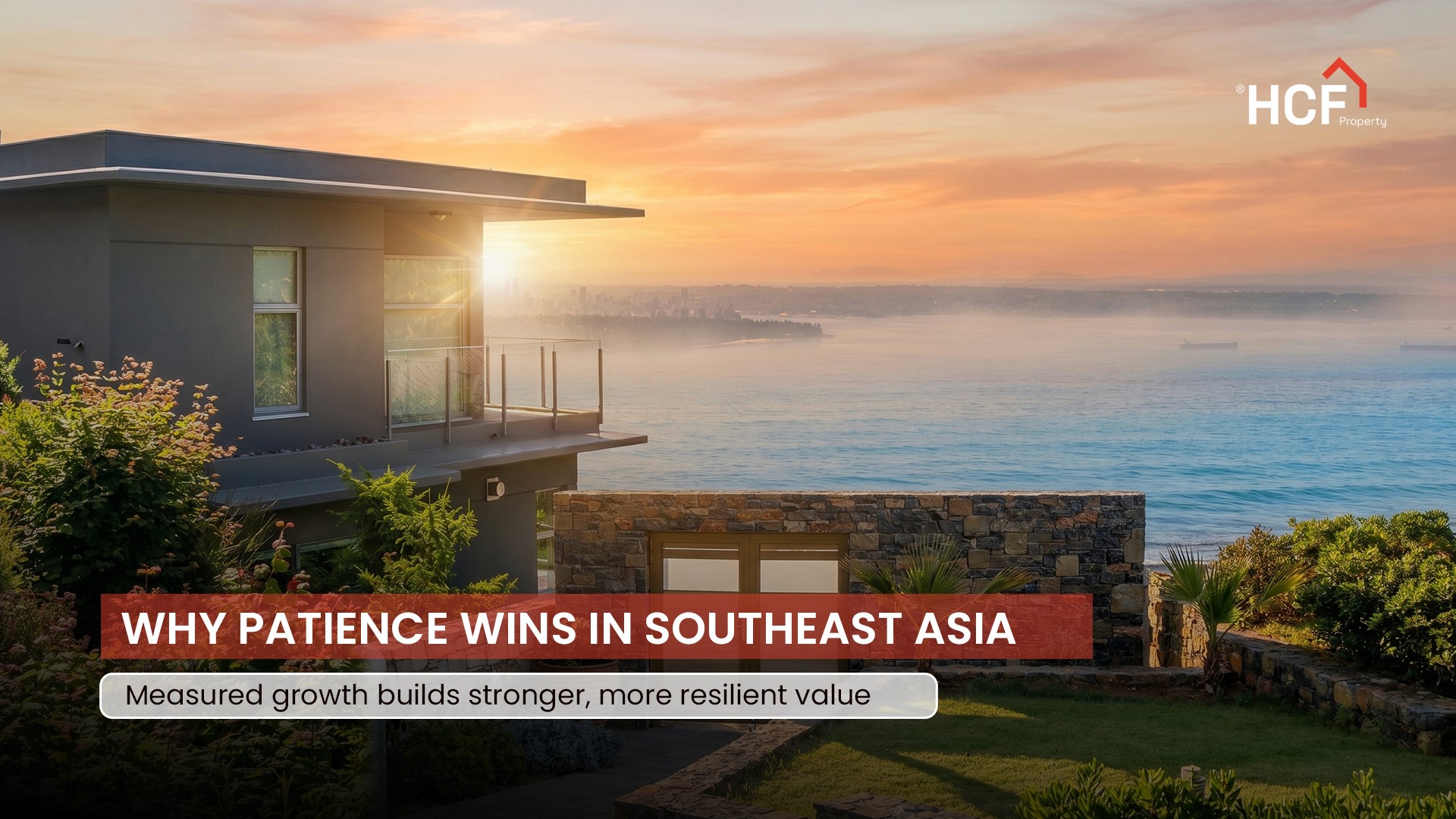
The difference between growth and readiness
Southeast Asia has long attracted global attention, but not all growth in the region unfolds at the same pace or with the same quality. As the market matures, a clear pattern is emerging. The strongest outcomes are coming not from speed, but from measured entry and long-term alignment.
Rather than concentrating solely on headline destinations, investors are increasingly looking toward secondary markets where fundamentals are forming but saturation has not yet taken hold. These locations tend to move more slowly, but they also offer space for infrastructure, demand, and community to evolve together.
Evidence from secondary destinations
Lombok’s Mandalika region offers a clear example. Visitor numbers grew by over 50% year-on-year in 2024, supported by targeted infrastructure investment, improved international access, and the hosting of global sporting and cultural events. Importantly, this growth followed years of groundwork rather than overnight promotion.
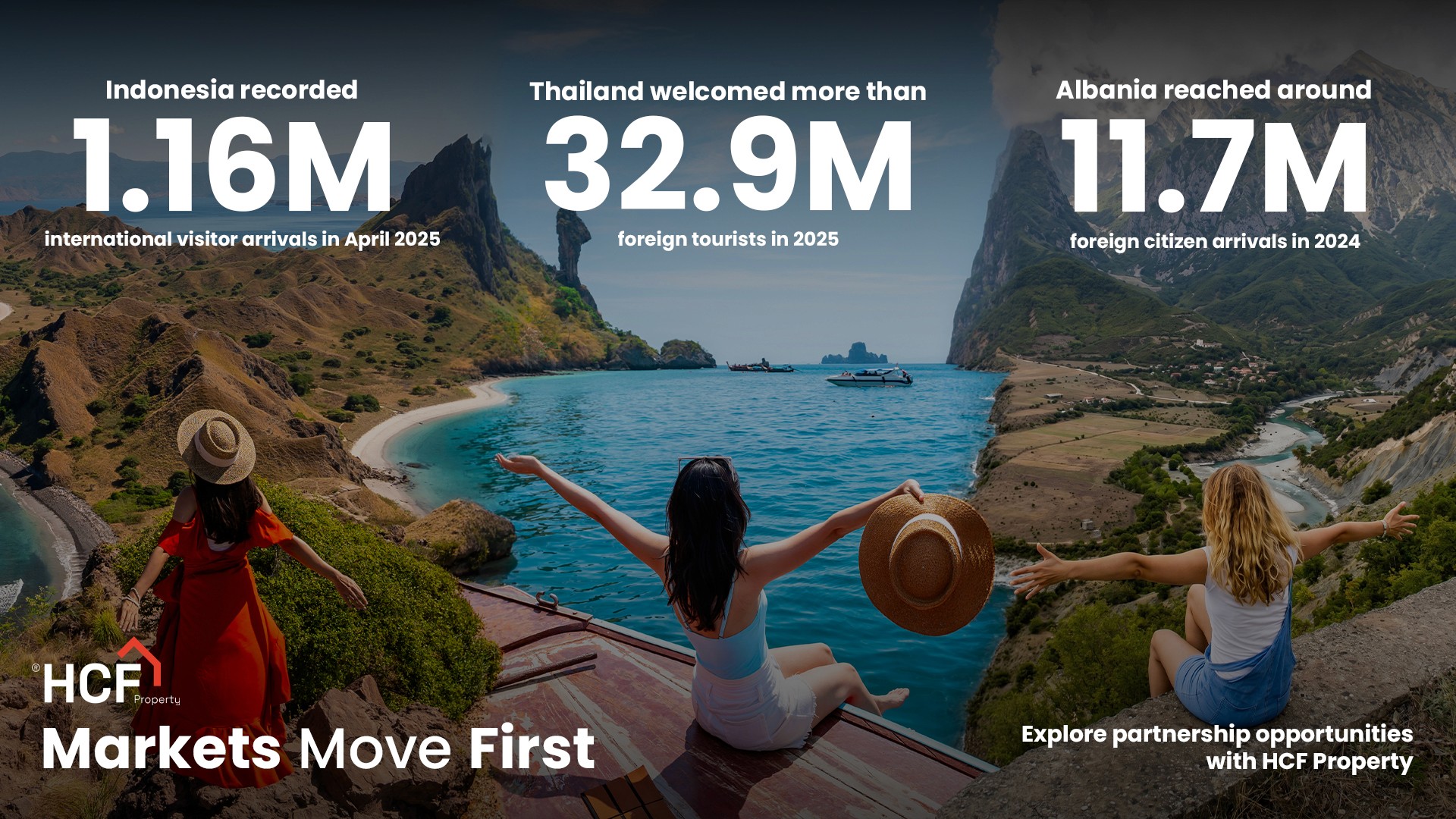
Thailand continues to function as a regional anchor, even amid short-term volatility. According to Reuters, the country recorded approximately 17.7 million foreign arrivals in the first half of 2025, with full-year projections of around 35 million visitors. While established destinations absorb much of this volume, spillover demand is increasingly shaping quieter coastal and regional markets.
These patterns point to a broader truth. Demand is expanding, but it does not arrive everywhere at once. Markets that allow time for demand to settle tend to absorb it more sustainably.
Why patience matters in real estate development
In emerging destinations, patience is not passive. It is strategic.
Measured entry allows developers to align three critical elements:
Infrastructure readiness, including transport, utilities, and services
Demand maturity, where tourism and lifestyle use stabilize beyond initial spikes
Product-market fit, ensuring that design, density, and pricing reflect how people actually use the space
When these elements mature together, assets are more resilient to regulatory shifts, cost inflation, and changing travel patterns. Projects launched too early or scaled too aggressively often struggle to adapt once conditions normalize.
As Enrico Lavedra Lubrano observes:
“Southeast Asia rewards those who arrive early and build patiently.”
Enrico Lavedra Lubrano, International Director – Southeast Asia, HCF Property
Patience as a form of risk management
Patience also functions as a risk filter. It forces developers to test assumptions, adjust timelines, and respond to on-the-ground realities rather than projections alone. Over time, this approach tends to preserve both capital and credibility.
In markets where regulations evolve, operating costs fluctuate, and tourism demand remains sensitive to global conditions, disciplined pacing becomes a competitive advantage rather than a constraints.
Key takeaway:
In Southeast Asia, patience often outperforms aggressive scaling. Markets that are allowed to mature naturally tend to deliver value that lasts longer and travels more steadily across cycles.
Sources & References
Reuters, Thailand Tourism Report
HVS, Indonesia Hospitality Market Review
Indonesia Ministry of Tourism & Creative Economy
Author
Romer Tesado
HCF Property - Brand Marketing Lead