

Real Estate has historically been one of the most valuable and stable asset classes in the world. However, traditional property investment has long been associated with high entry barriers, limited liquidity, and complex transactions. Buying property often requires significant capital, extensive paperwork, and long transaction timelines.
Over the last decade, financial technology has begun transforming how investors participate in real estate markets. One of the most promising innovations is tokenised real estate , a model that combines blockchain technology with fractional ownership, enabling investors to buy digital property assets.
Through tokenized property investment, a real asset is divided into digital units called tokens, each representing fractional share of ownership or income rights in the property. Investors can buy these digital real assets through specialised platforms.
This model reshapes how property is owned, traded, and managed, making real estate investment more accessible, transparent, and efficient for modern investors.
What Is Tokenised Real Estate?
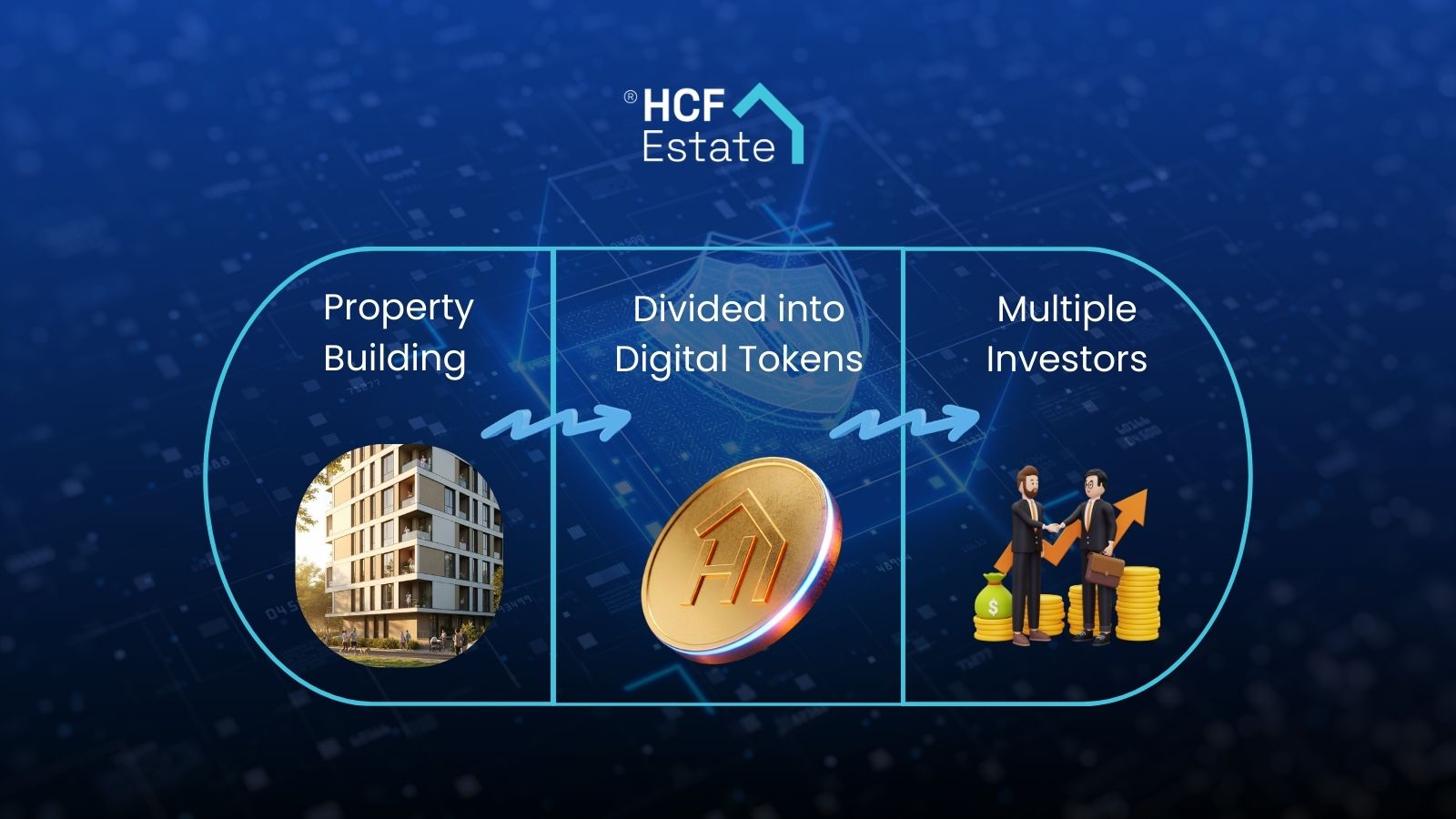
Tokenized real estate refers to the process of converting ownership rights of a physical property into digital tokens recorded on a blockchain network. Each token represents a specific portion of the underlying property asset or its economic value.
In simple terms, instead of purchasing an entire property, investors buy digital tokens that represent fractional ownership. These tokens can entitle investors to.
A share of rental income
A portion of property appreciation
Voting rights in property decisions
The ability to trade ownership shares on digital marketplaces
This concept builds on the idea of fractional real estate ownership, where multiple investors collectively own a property. However, tokenization enhances this model through blockchain infrastructure, enabling secure, transparent, and programmable ownership records.
For example, a property valued at $1 million can be divided into 10,000 tokens worth $100 each, allowing investors to participate with smaller amounts rather than purchasing the entire asset.
As a result, tokenized real estate opens property investment opportunities to a much broader investor base.
How Tokenized Real Estate Works?
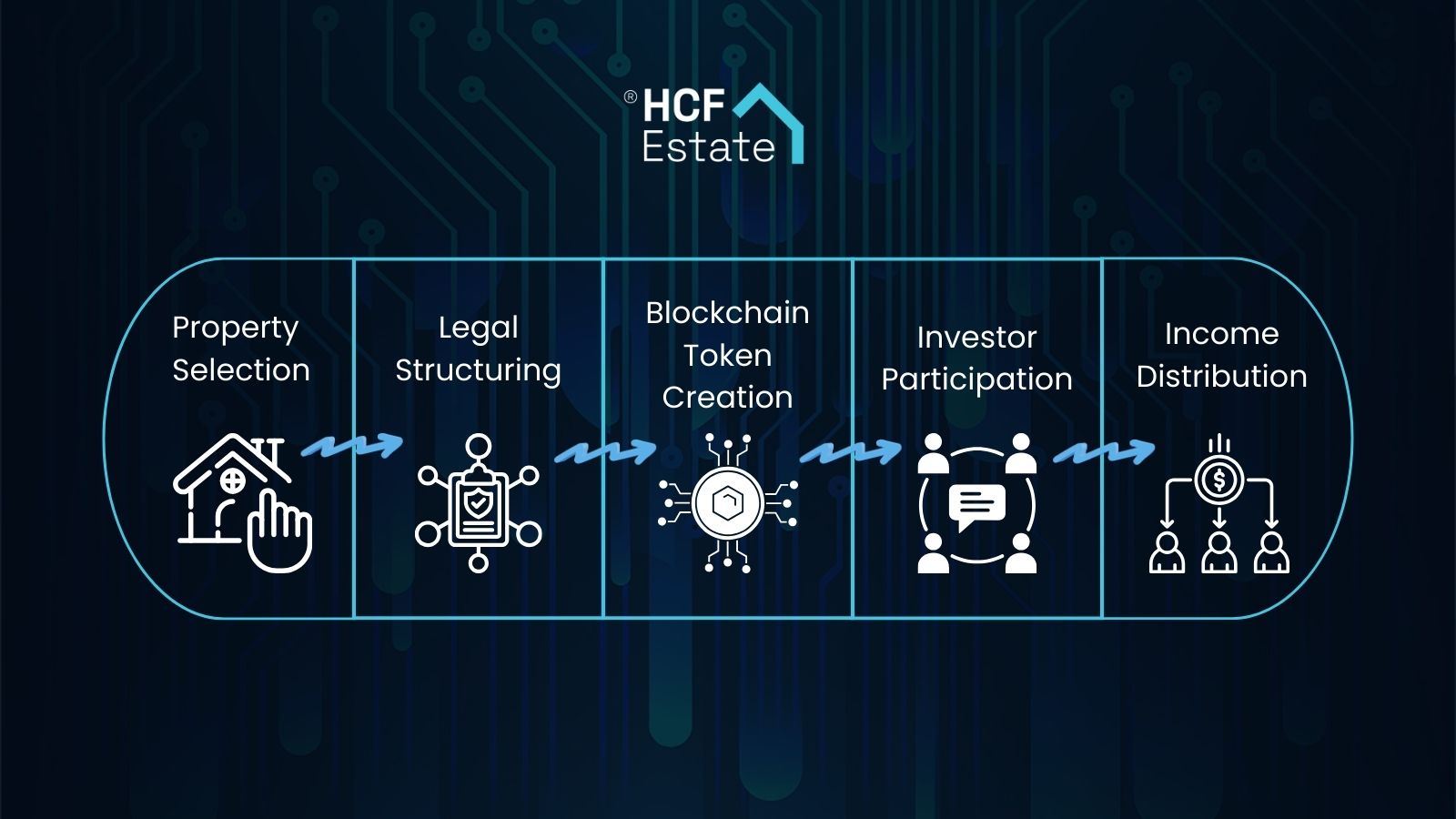
Understanding how tokenized real estate works requires examining the process that converts a physical property into blockchain-based token representing fractional ownership.
1. Asset Selection and Valuation
The process begins with identifying a real estate asset, such as, a residential building, commercial property, or development project.
Certified property valuers then determine the property’s market value, which becomes the basis for dividing ownership into tokens. Accurate valuation is critical because it determines the price and structure of digital shares.
2. Legal Structuring
Before tokenization, the property is usually placed under a legal entity such as Special Purpose Vehicle (SPV) , trust, or Limited Liability Company (LLC). Investors who buy tokens effectively own shares in this entity, which holds the property.
This structure ensures compliance with financial regulations and clarifies investor rights.
3. Token Creation On Blockchain
Once the legal structure is established, digital tokens are issued on the blockchain network. These tokens represent ownership or economic rights tied to the property.
Blockchain technology provides:
Immutable ownership records
Transparent traction history
Secure asset tracking
These tokens are sometimes called security tokens because they represent ownership in a real-world asset.
4. Fractional Investment By Investors
Investors can purchase tokens through a real estate tokenisation platform.
Each token represents a small portion of the asset. This means the investor can participate with significantly smaller amounts of capital compared to traditional property investment.
For example, a property worth $5 Million can be divided into 50,000 tokens priced at $100 each. Investors can purchase any number of tokens based on their investment capacity. An investor holding 500 tokens would own 1% of the property and receive a proportionate share of its income or value appreciation.
5. Automated Income Distribution
Now, if the property generates rental income, the revenue will be distributed among token holders according to their ownership share.
This distribution is typically managed through smart contracts, which are automated programs on blockchain that execute financial agreements without intermediaries.
For example, if an investor owns 2% of the token in a property, they receive 2% of the rental income generated by the asset.
6. Secondary Market Trading
One of the most impressive features of tokenized real estate is liquidity.
Unlike traditional property ownership, which takes months to sell, digital tokens can often be traded on secondary markets or digital exchanges, allowing investors to buy or sell their shares more quickly.
This ability to trade property ownership digitally is one of the key advantages of blockchain real estate investment.
Benefits Of Tokenized Real Estate For Investors
Tokenization offers several advantages that address longstanding limitations in traditional property markets.
Lower Investment Barriers
Traditional real estate investments often require large capital commitments. Tokenization allows investors to participate with much smaller investment amounts, making property ownership accessible to a wider audience.
This democratization of real estate investment opens opportunities for both retail and institutional investors.
Improved Liquidity
Real estate is traditionally considered an illiquid asset because selling property takes time and involves multiple intermediaries.
With tokenized assets, investors can trade their fractional shares more easily, creating a more liquid property market.
Global Investment Access
Tokenization removes geographical barriers. Investors can participate in international property markets without directly purchasing property in another country.
This enables portfolio diversification across different real estate markets.
Transparency and Security
Blockchain technology provides an immutable and transparent ledger of ownership and transactions.
This improves trust among investors because:
Ownership records cannot be altered.
Transactions are publicly verifiable.
Fraud risk is significantly reduced.
Automated Operations
Smart contracts automate several operational processes including:
Rental income distribution
Ownership transfers
Compliance verification
Automation reduces administrative costs and improves operational efficiency.
Why Tokenization Is Transforming Global Real Estate Markets
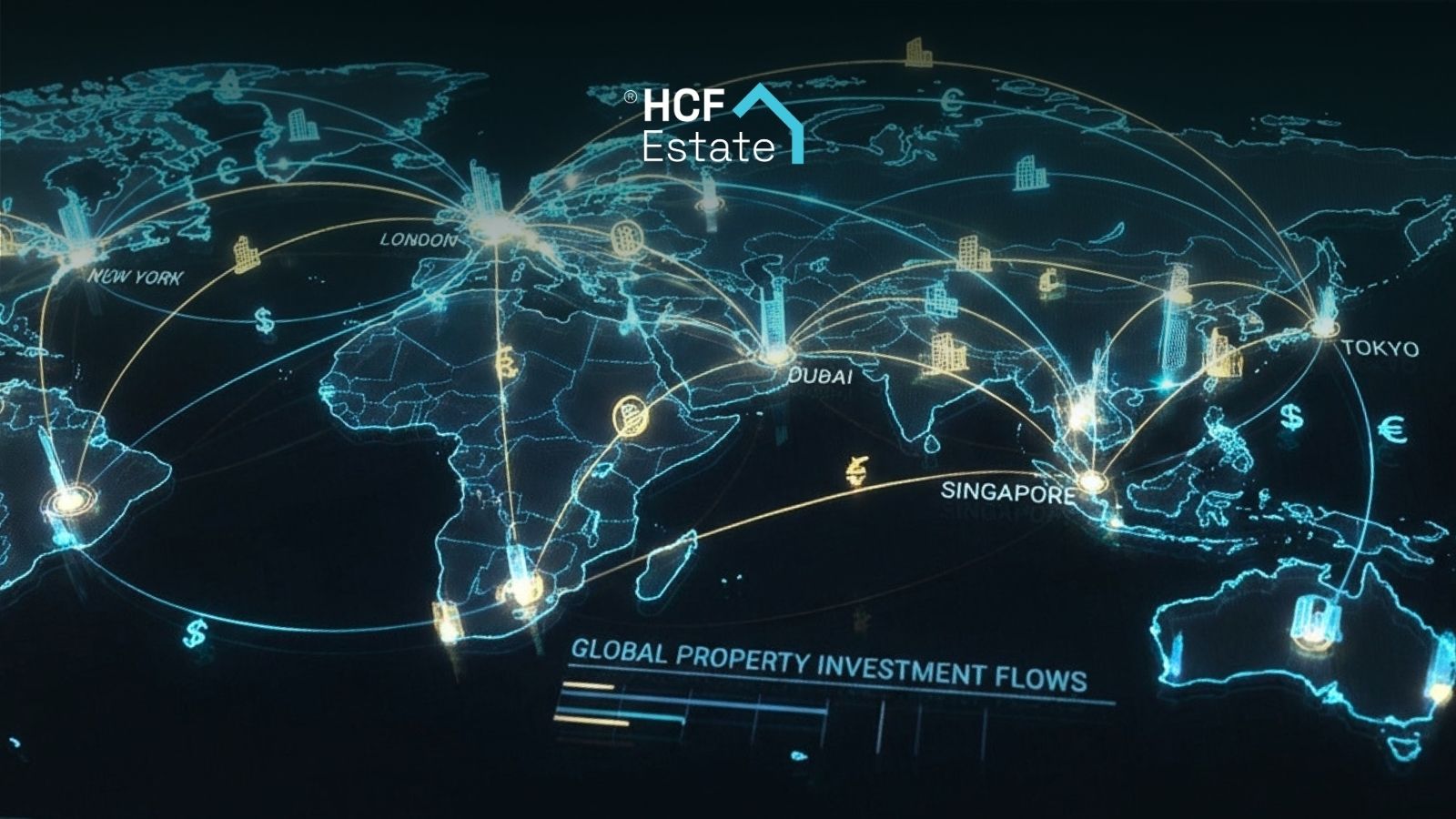
Real estate tokenisation is increasingly seen as part of the broader shift toward digital asset markets and the tokenization of real-world assets (RWA). By using blockchain technology, traditional assets such as real estate, bonds, and commodities can be integrated into digital investment ecosystems, making ownership records and transactions more transparent and efficient.
Another important factor is the growing participation of retail investors. Because tokenized property investments can be divided into smaller units, individuals can participate in real estate markets with significantly lower capital compared to traditional property ownership.
Tokenization is also enabling greater cross-border investment access. Digital platforms allow investors to explore property opportunities in different regions without navigating the complex processes usually associated with international property ownership.
Together, these developments are gradually reshaping how real estate assets are accessed, owned, and managed within global investment markets
How HCF Estate Can Help You
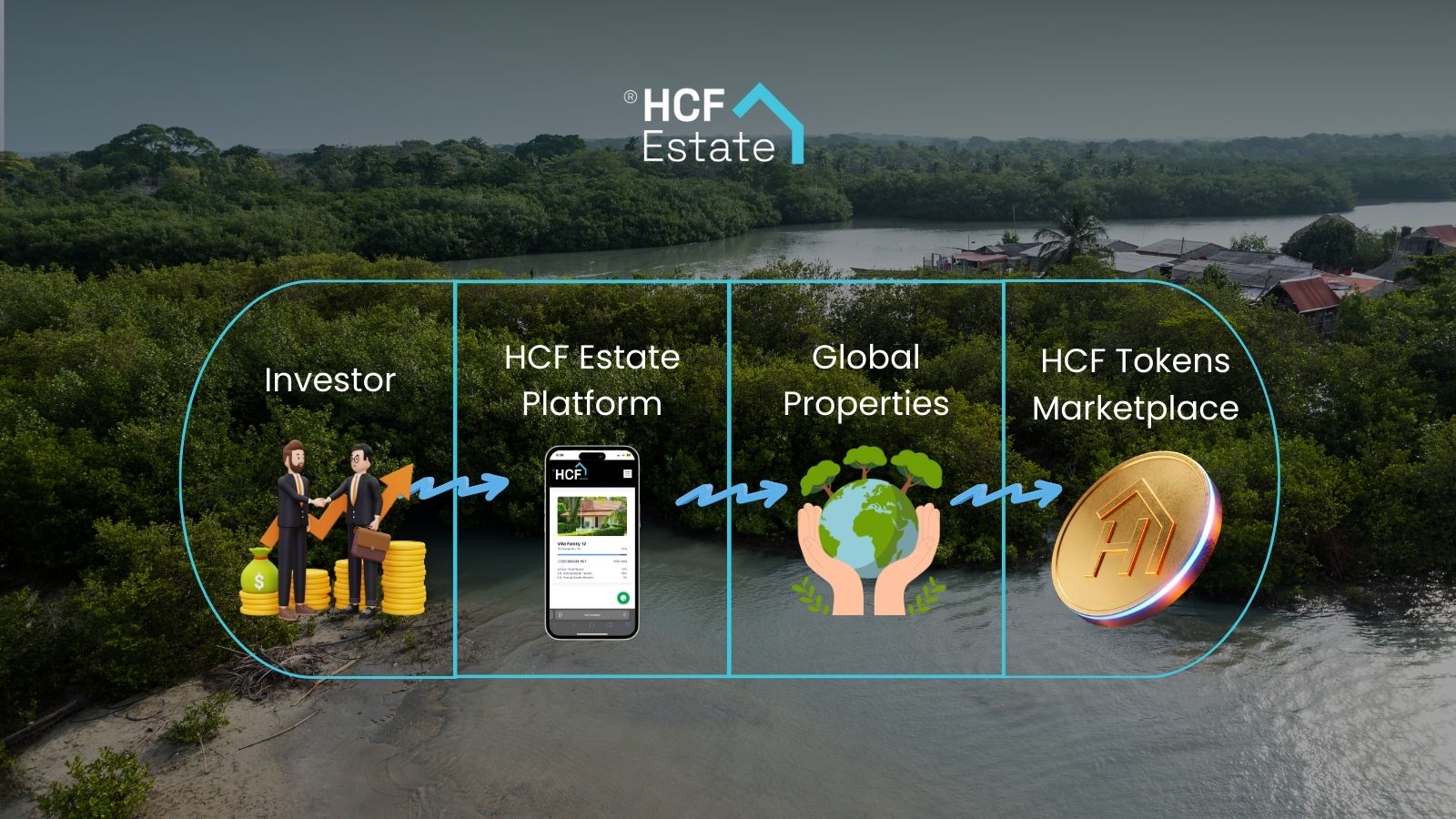
As tokenized real estate continues to evolve, investors need reliable platforms that combine technology, compliance, and global property access.
HCF Estate is designed to simplify global property investment by leveraging modern technology and digital investment infrastructure.
Through the HCF Ecosystem, investors can potentially benefit from:
Access to curated global real estate opportunities.
Technology- backed investment platforms.
Digital investment marketplaces such as HCF Tokens.
Transparent investment frameworks.
By combining property expertise with blockchain- driven infrastructure, HCF Estate aims to make global real estate investment more accessible, efficient, and transparent.
The Future Of Real Estate Ownership
Tokenized real estate represents a major step in the digitalization of traditional assets. By combining blockchain technology with fractional ownership models, it addresses several long-standing challenges in real estate investing, such as high entry barriers, limited liquidity, and inefficient transaction systems.
While regulatory frameworks and market infrastructure are still evolving, tokenization has already demonstrated the potential to reshape global property investment.
As technology adoption continues to grow, tokenized real estate could become a mainstream investment model, enabling investors to build diversified property portfolios through digital real estate shares.
Key Takeaways
Tokenized real estate converts property ownership into blockchain-based digital tokens.
Each token represents fractional ownership or economic rights in a real estate asset.
Investors can participate with smaller capital through tokenized property investments.
Blockchain enables transparency, security, and automated income distribution.
Secondary markets provide greater liquidity compared to traditional real estate investments.
Platforms like HCF Estate are building technology- driven solutions for modern global property investing.